
Optimal Timing for Sunroom Installations
Understanding the optimal timing for sunroom installations can enhance project outcomes and ensure proper construction conditions. The timing depends on climate, weather patterns, and the specific requirements of the installation process.
Spring offers moderate temperatures and longer daylight hours, making it ideal for construction and interior finishing.
Summer provides extended daylight and warmer weather, but high humidity and heat can pose challenges during installation.
Fall allows for cooler weather and less construction traffic, facilitating smoother installation processes.
Winter may introduce cold temperatures and potential weather disruptions, which can delay installation.
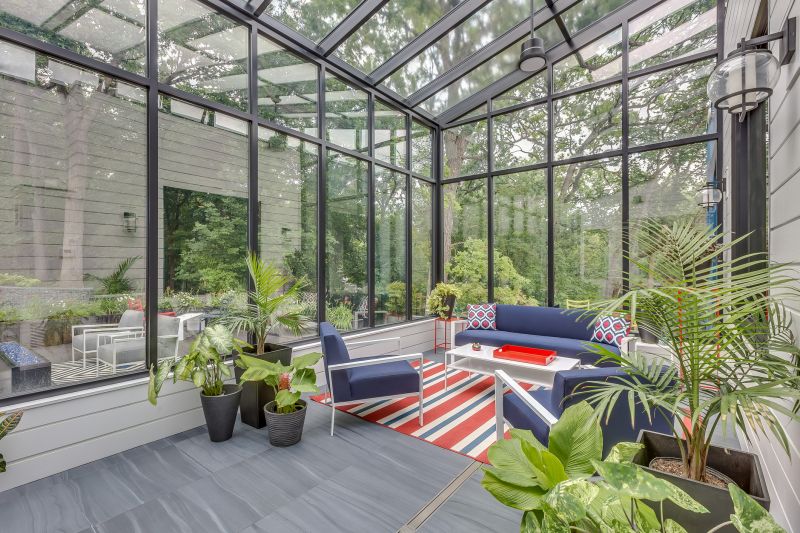
Optimal for moderate weather and longer days, ensuring efficient construction.

Warmer temperatures support interior work, but weather variability can affect schedules.
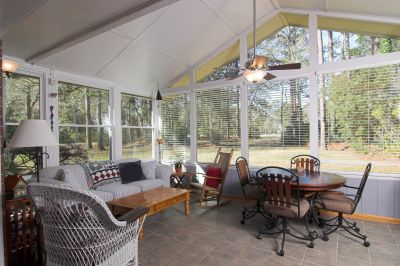
Cooler temperatures and less outdoor activity can streamline the process.

Cold weather and potential storms may hinder progress and extend timelines.
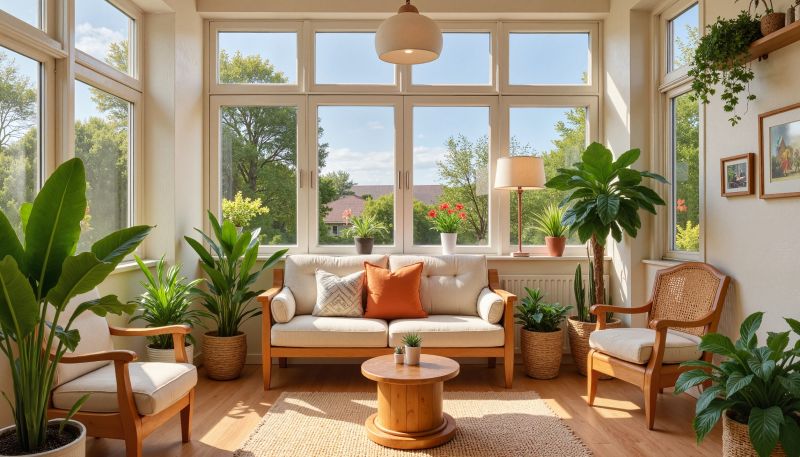
Ways to make Sunroom Installations work in tight or awkward layouts.
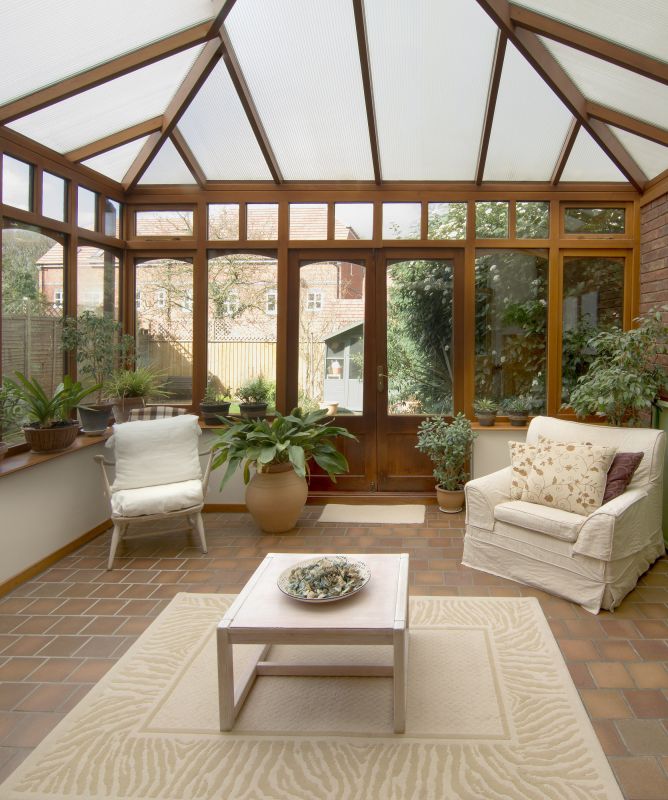
Popular materials for Sunroom Installations and why they hold up over time.
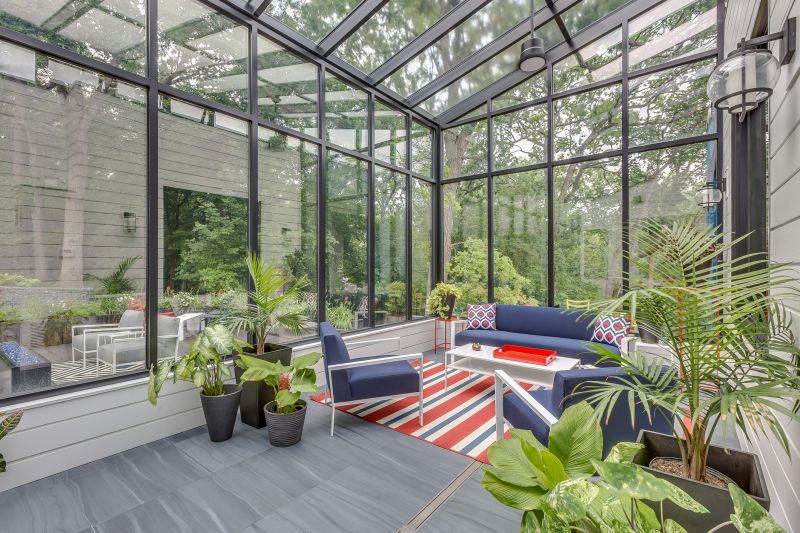
Simple add-ons that improve Sunroom Installations without blowing the budget.
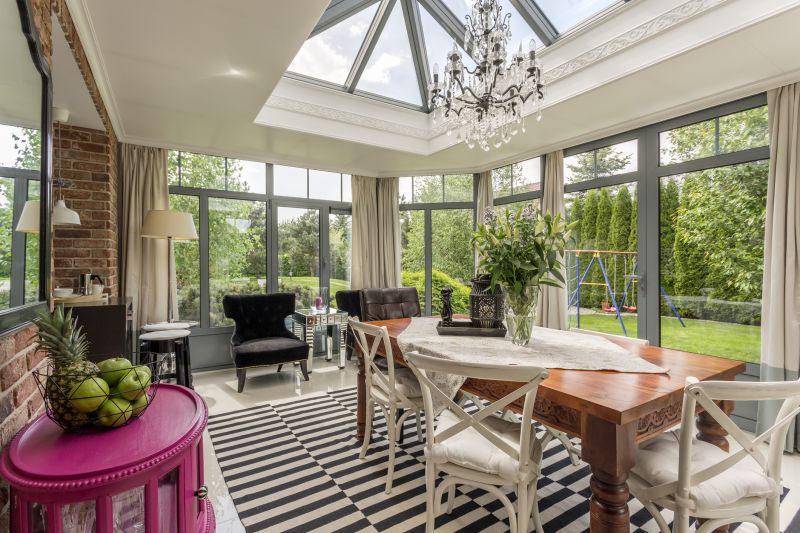
High-end options that actually feel worth it for Sunroom Installations.
| Season | Ideal Conditions |
|---|---|
| Spring | Moderate temperatures, longer daylight hours |
| Summer | Warm weather, extended daylight |
| Fall | Cooler temperatures, less construction traffic |
| Winter | Cold temperatures, weather disruptions |
Sunroom installations require careful consideration of weather conditions to ensure quality and safety. Proper planning can reduce delays and improve the durability of the structure. Seasonal factors such as temperature, humidity, and precipitation influence the installation process and material performance.
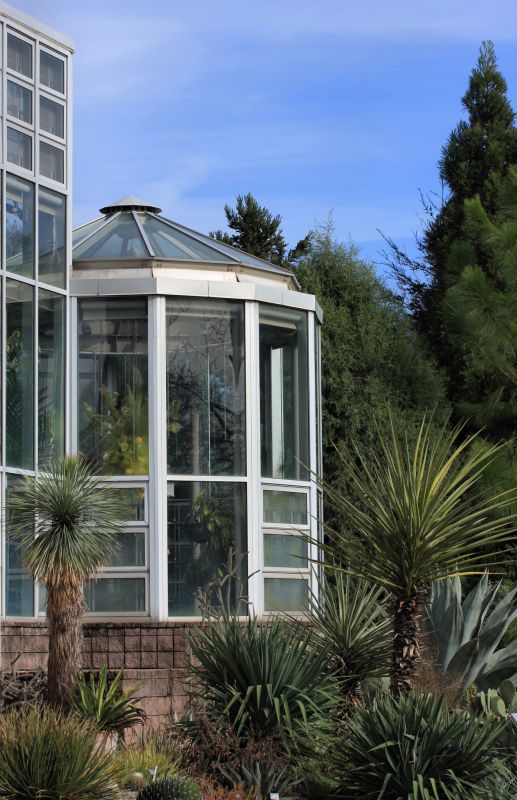
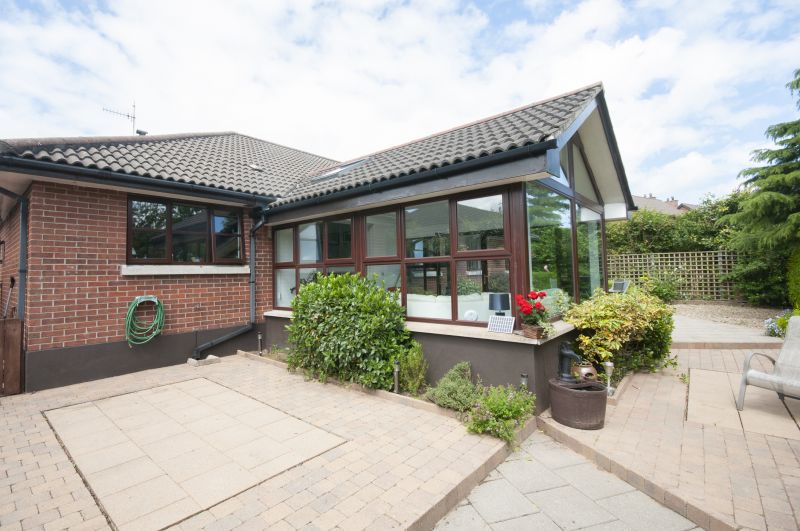
Showcasing a typical installation scene during favorable weather.
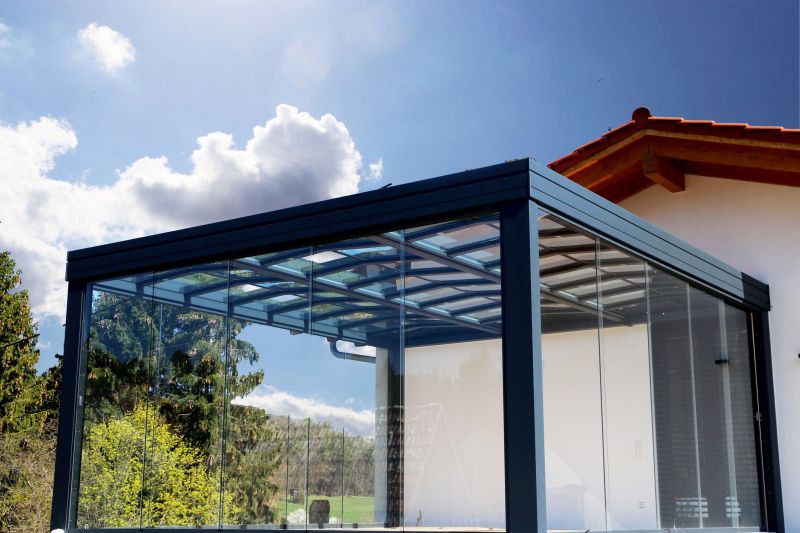
Highlighting the structural phase before finishing touches.
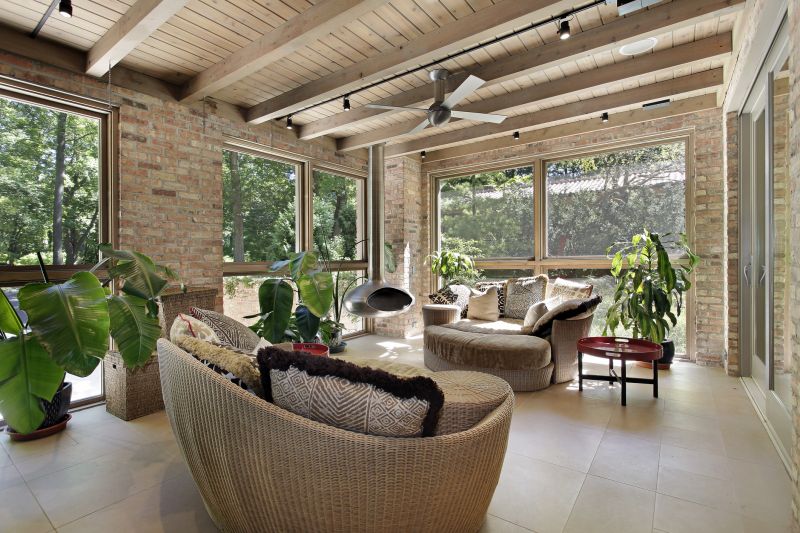
Interior work often aligns with optimal weather conditions for interior finishing.
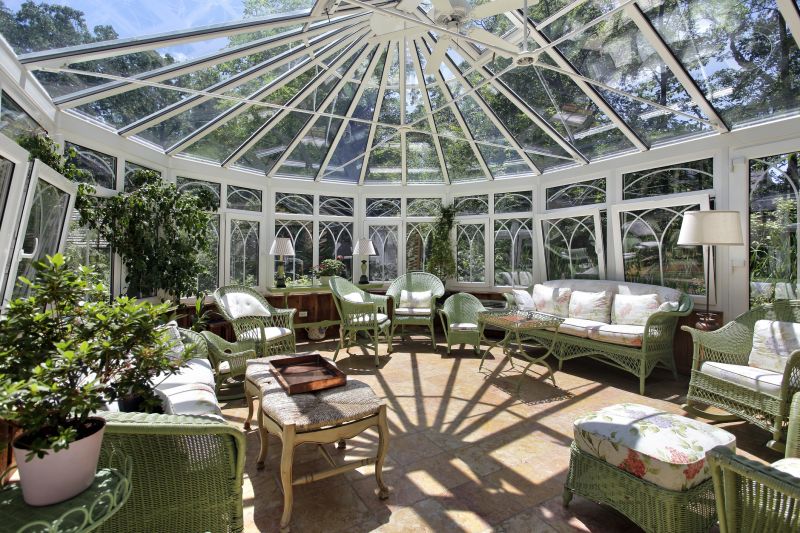
Designed to maximize natural light and outdoor views.
Finishes and colors that play nicely with Sunroom Installations.
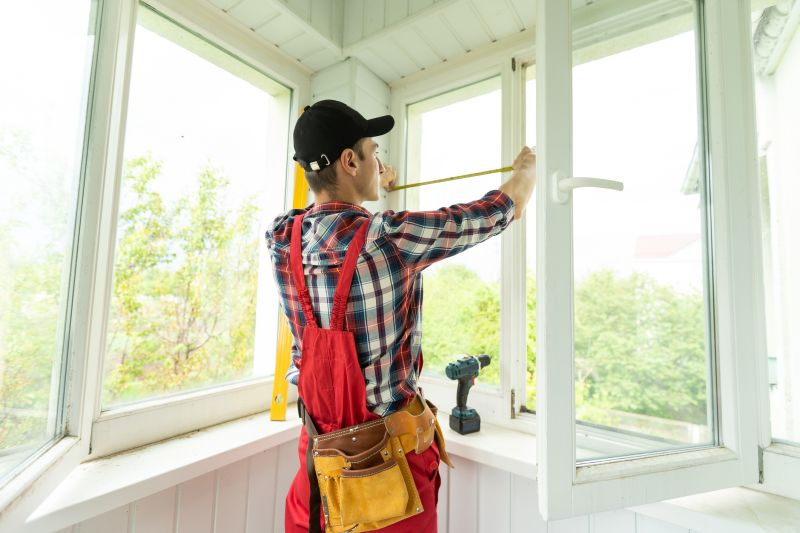
Little measurements that prevent headaches on Sunroom Installations day.
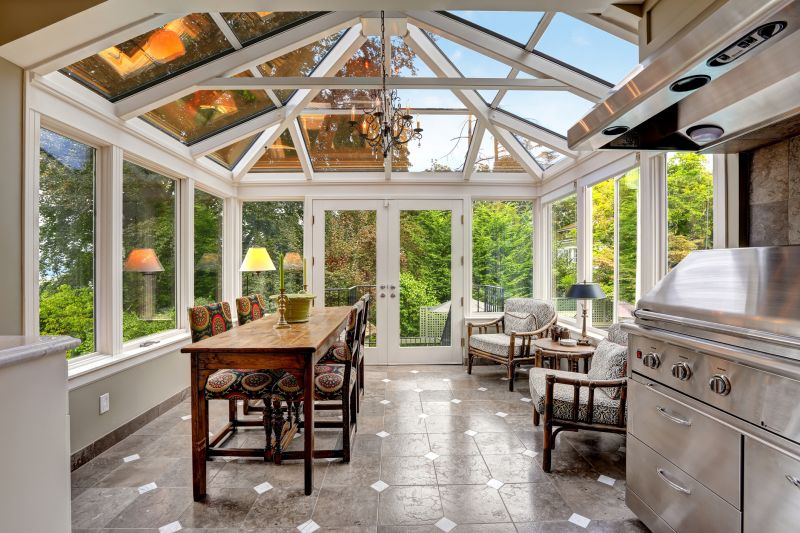
A 60-second routine that keeps Sunroom Installations looking new.
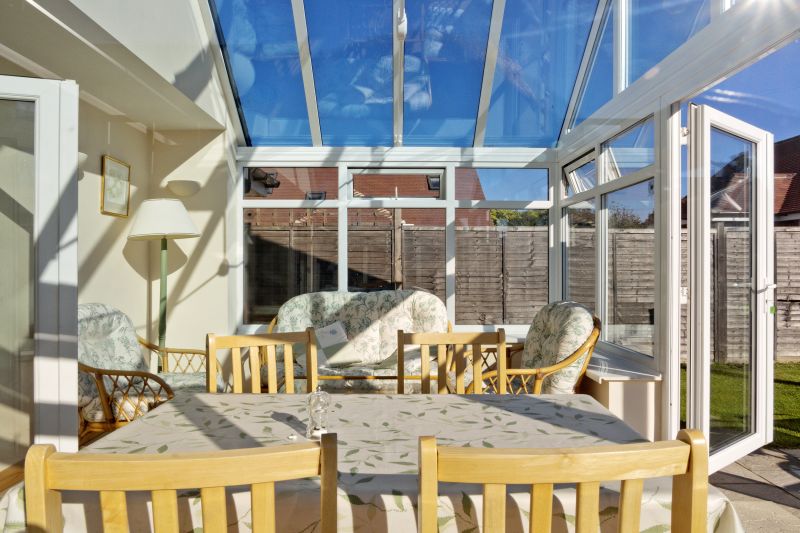
A frequent mistake in Sunroom Installations and how to dodge it.
Factors Influencing Installation Timing
Several factors impact the best timing for sunroom installations, including local climate patterns, project scope, and construction schedules. Planning around favorable weather windows can ensure quality workmanship and reduce the risk of weather-related delays.
Weather patterns and temperature ranges influence installation schedules.
Larger projects may require longer planning and scheduling periods.
Certain materials perform better under specific seasonal conditions.
Having adaptable timelines can accommodate unexpected weather changes.
Choosing the right time for a sunroom installation involves balancing weather conditions, project requirements, and scheduling constraints. Proper timing can lead to a smoother process and a more durable, high-quality addition.
Interested in scheduling a sunroom installation? Filling out the contact form can facilitate planning and ensure the project aligns with favorable conditions for optimal results.